Small Intestine vs Large Intestine: Length, Width and Jobs
The names are about width, not length. The small intestine is the longer of the two, around 6 m, but only about 2.5 cm wide. The large intestine is only about 1.5 m long, but about 6 to 7 cm wide. The small intestine takes in most of the goodness from food. The large intestine takes back water and gets rid of waste.
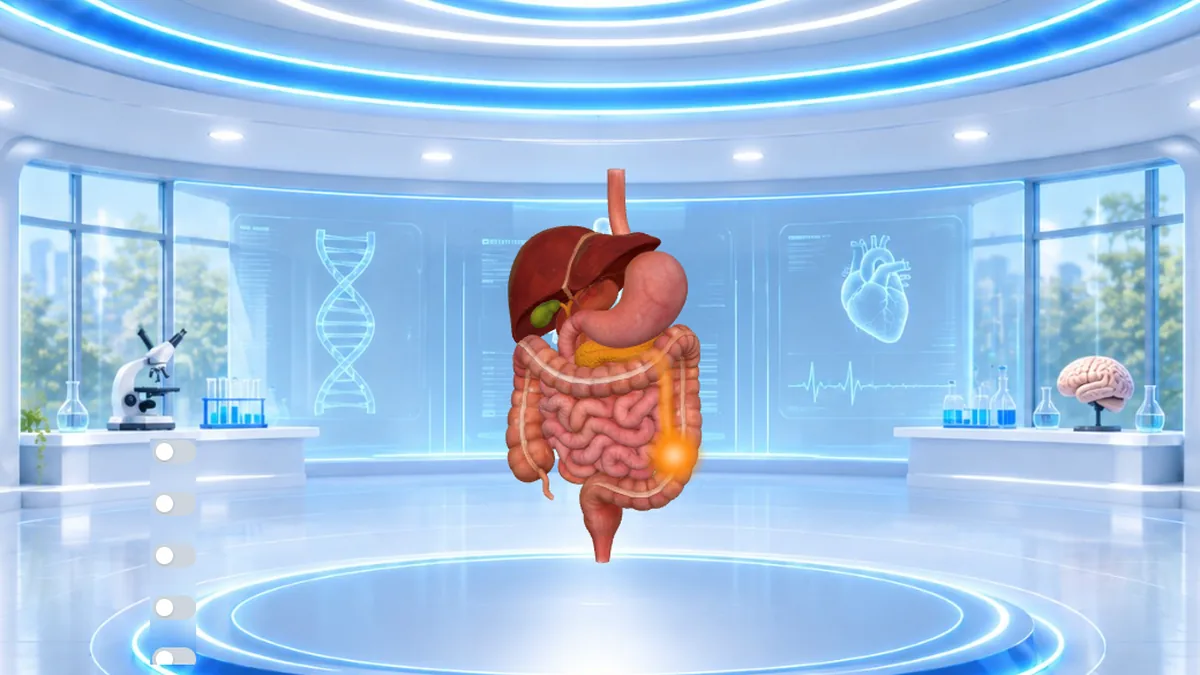
Small intestine vs large intestine at a glance
| Small intestine | Large intestine | |
|---|---|---|
| Size | About 6 m long, about 2.5 cm wide | About 1.5 m long, about 6 to 7 cm wide |
| Parts | Duodenum, jejunum, ileum | Caecum and appendix, colon, rectum |
| Main job | Finishes digestion and absorbs nutrients | Absorbs water and salts, stores and forms waste |
| Inner surface | Covered in tiny finger-like villi | Smooth, without villi |
| Bacteria | Fairly few | Trillions, which break down fibre and make some vitamins |
| Time food spends there | A few hours | A day or more |
Why the small intestine is so long
Its job is to absorb nutrients into the blood, so it needs a huge surface. It is folded, its lining is covered in millions of tiny villi, and those are covered in even smaller microvilli. Together they give an inside surface of around 30 square metres, roughly the floor area of a small room.
What the large intestine adds
By the time food reaches the large intestine, most of the useful nutrients have gone. The large intestine soaks up water and salts, so the body does not lose too much fluid. Its bacteria ferment fibre, making some vitamins, and what is left is formed into faeces, ready to leave the body.
Quick facts
- The appendix is a small pouch attached to the start of the large intestine.
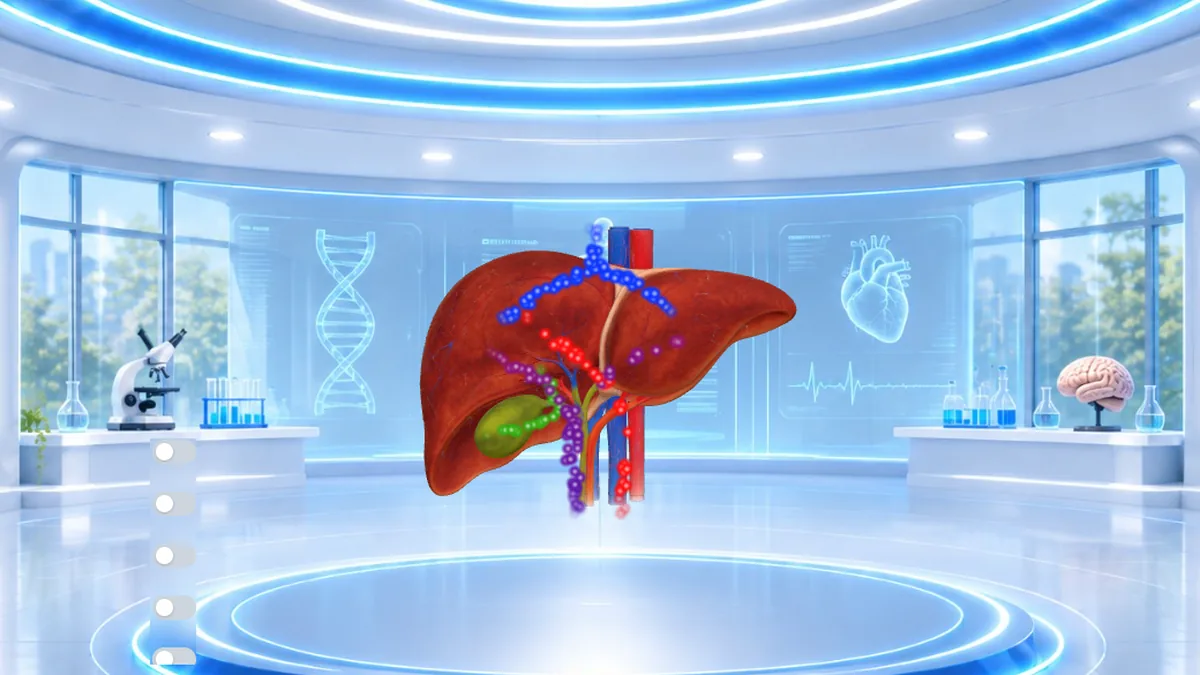
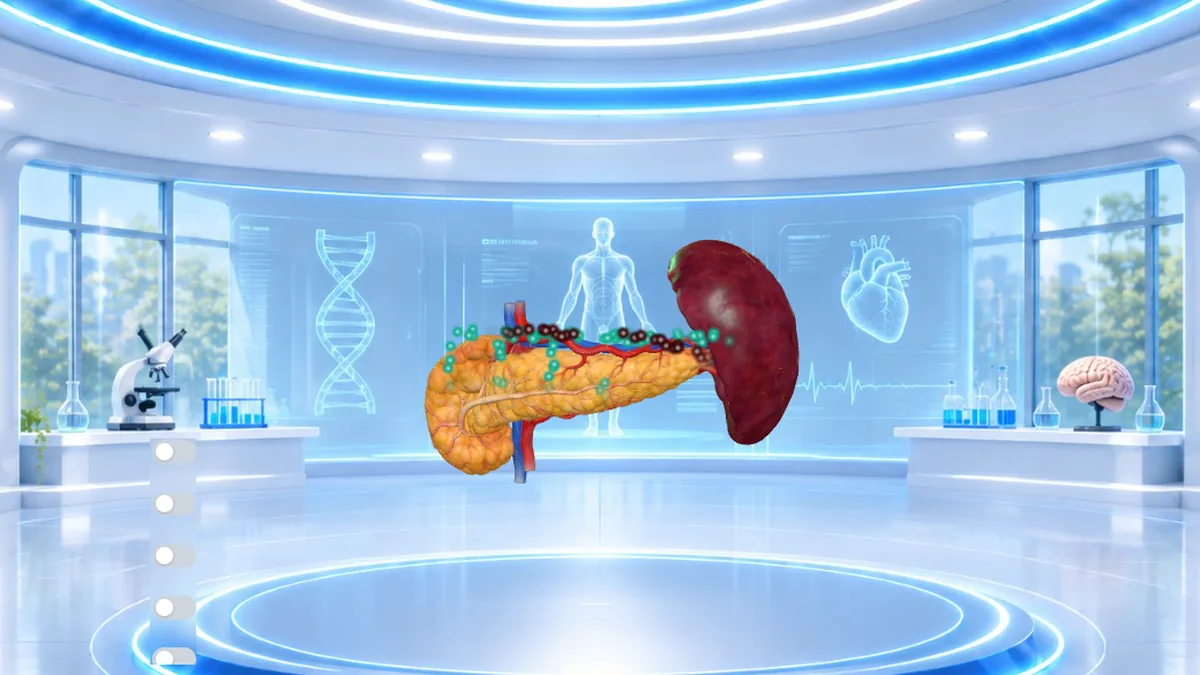
- Bile from the liver and juices from the pancreas enter the small intestine at the duodenum.
- The large intestine frames the small intestine on three sides like a picture frame.
- Muscle waves called peristalsis push food along both intestines.
- Together the intestines make up most of the length of the gut.
See it in 3D
Small intestine vs large intestine questions
Which is longer, the small or large intestine?
The small intestine, at around 6 m. The large intestine is around 1.5 m long.
Why is it called the small intestine if it is longer?
Because it is narrower, about 2.5 cm wide, against about 6 to 7 cm for the large intestine.
What does the small intestine do?
It finishes digesting food and absorbs most of the nutrients into the blood.
What does the large intestine do?
It absorbs water and salts, houses gut bacteria and forms and stores waste.
Where is the appendix?
At the start of the large intestine, attached to a pouch called the caecum, low on the right side of the belly.
More face-offs: see all 3D comparisons.
The 3D Human Anatomy simulator is made by Julian Neagu, a solo founder in London, as part of VisionVix Simulators. It is free to use in the browser on desktop and phone, with no sign-up.