Pteranodon Anatomy in 3D: Skeleton, Wings and the Flying Reptile
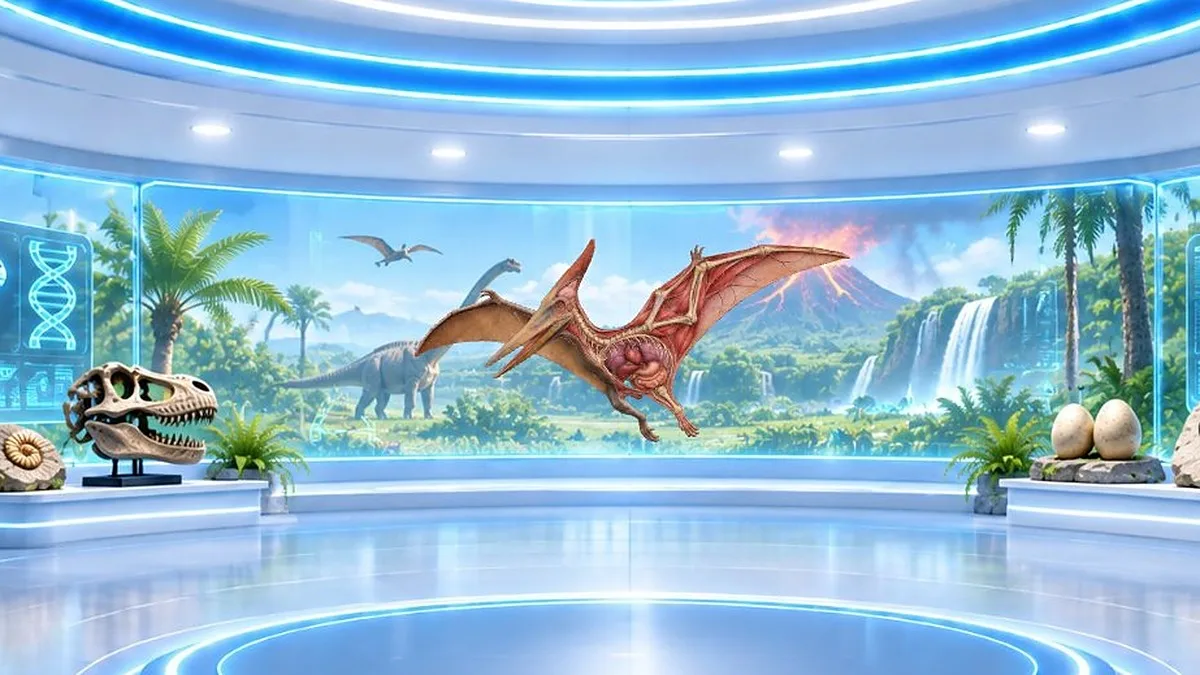
Pteranodon was a pterosaur, a flying reptile that soared over the seas while dinosaurs walked on land. It was not a dinosaur itself. In the 3D Dinosaur Anatomy simulator you can watch it in flight, look inside and explore its skeleton.
 Explore in 3D
Three ways to see Pteranodon
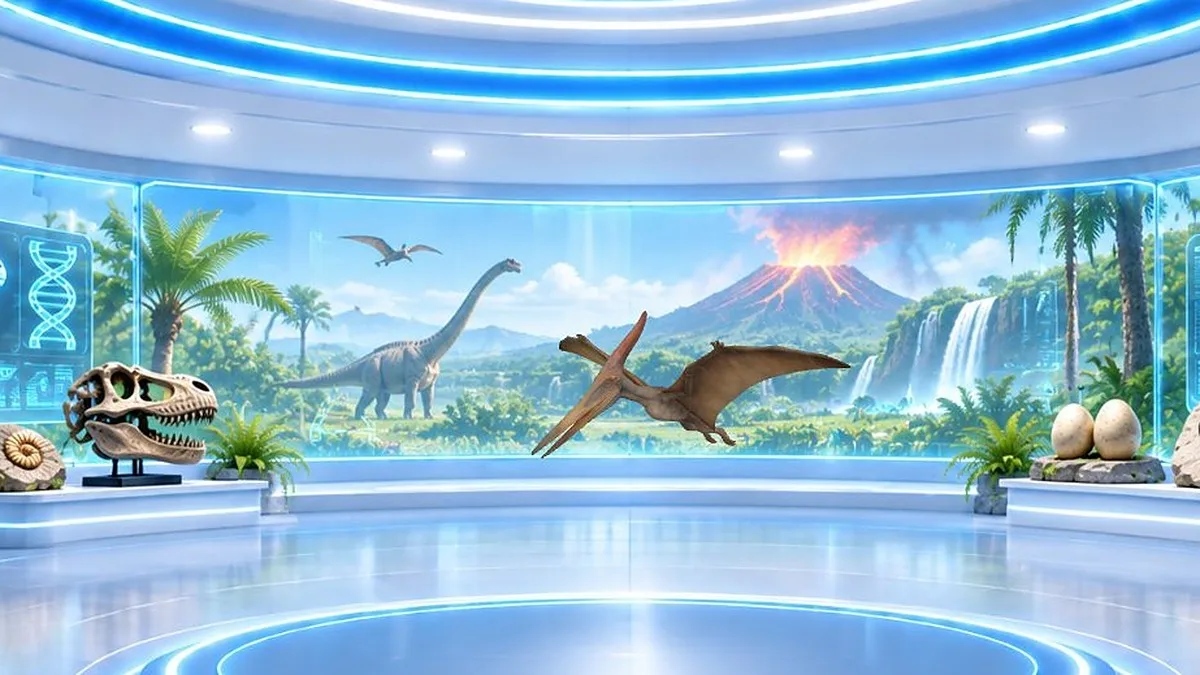 Full body
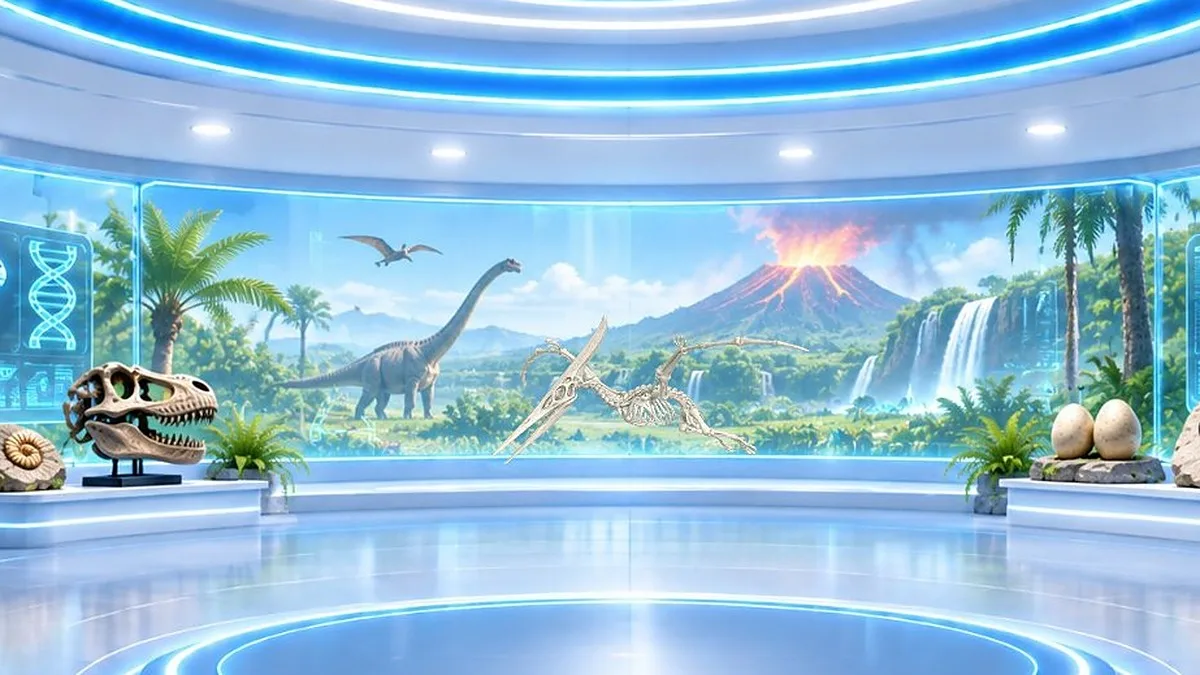 Fossil skeleton
Pteranodon quick facts
| Lived | About 86 to 84 million years ago, Late Cretaceous |
|---|---|
| Wingspan | About 6 m |
| Teeth | None |
| Diet | Fish |
| Fossils found in | Kansas and nearby states, USA |
The Pteranodon fossil skeleton
The Pteranodon skeleton is very light, with thin hollow bones. Each wing was a sheet of skin held out mostly by one hugely long fourth finger, and its long toothless beak was balanced by a bony crest on the back of the head.
Inside Pteranodon
In the Inside view you can tap these labels on the 3D model:
- Brain
- Big areas for balance and sight helped it steer through the air.
- Heart
- Pumps blood around the whole body, all day and night.
- Intestines
- Long tubes that soak up food into the body.
Interesting facts about Pteranodon
- Pteranodon was a pterosaur, a flying reptile, not a dinosaur.
- Its wings could span around 6 m.
- It had no teeth at all, and its name means wing without tooth.
- Each wing was held out mostly by one very long finger.
- Its fossils are found in rocks that were once the bottom of an inland sea in North America.
More dinosaurs and prehistoric reptiles in 3D
Pteranodon anatomy questions
Was Pteranodon a dinosaur?
No. It was a pterosaur, a flying reptile that lived at the same time as dinosaurs.
How big was Pteranodon?
Its wings could span about 6 m, but its body was small and very light.
What did Pteranodon eat?
Mostly fish, caught at sea.
Did Pteranodon have teeth?
No. Its long beak had no teeth at all.
The 3D Dinosaur Anatomy simulator is made by Julian Neagu, a solo founder in London, as part of VisionVix Simulators. It is free to use in the browser on desktop and phone, with no sign-up.