What did dinosaurs sound like?

Press play to hear ten prehistoric animals, from a booming T. rex to the trombone call of Parasaurolophus. No one has ever heard a real dinosaur, so every sound here is a best guess. Below each one you can read what scientists actually know, then open the animal in 3D.

Open the 3D Dinosaur Anatomy simulator How scientists guess
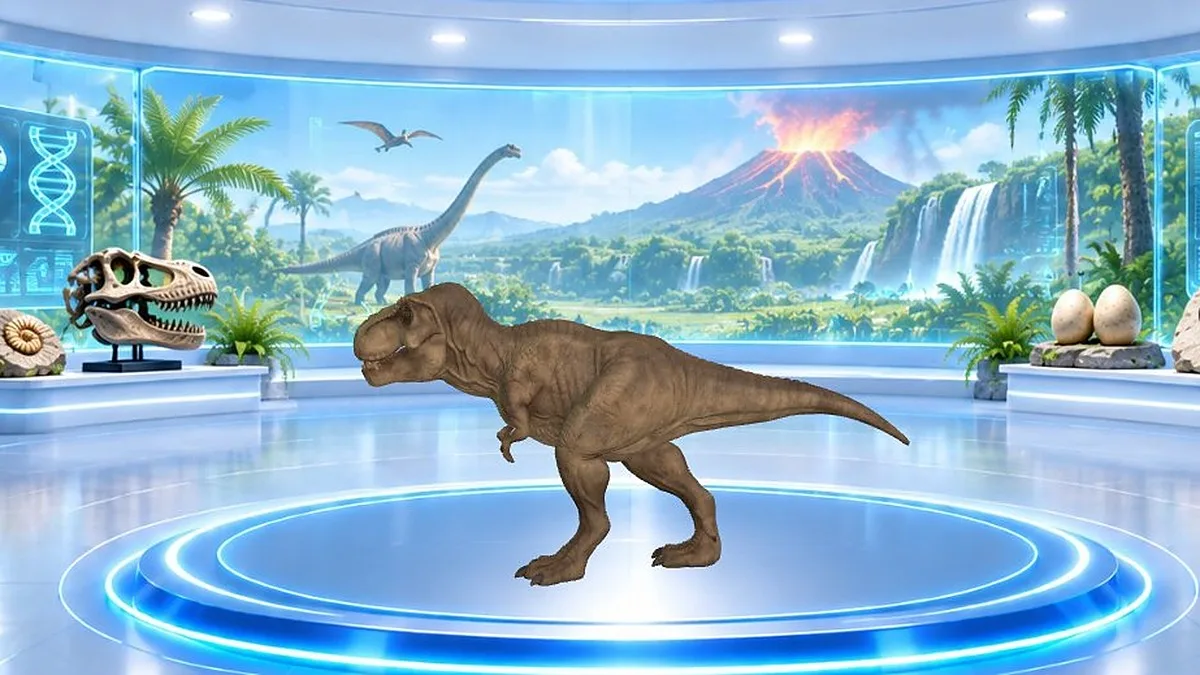
Tyrannosaurus rex in 3D, from the VisionVix Dinosaur Anatomy simulator

T. rex

Meat-eating dinosaur

A deep boom, not a film roar

The famous film roar was built from the sounds of living animals. A real T. rex may have boomed with its mouth closed, a low sound you would feel in your chest, the way big birds and crocodiles call today.

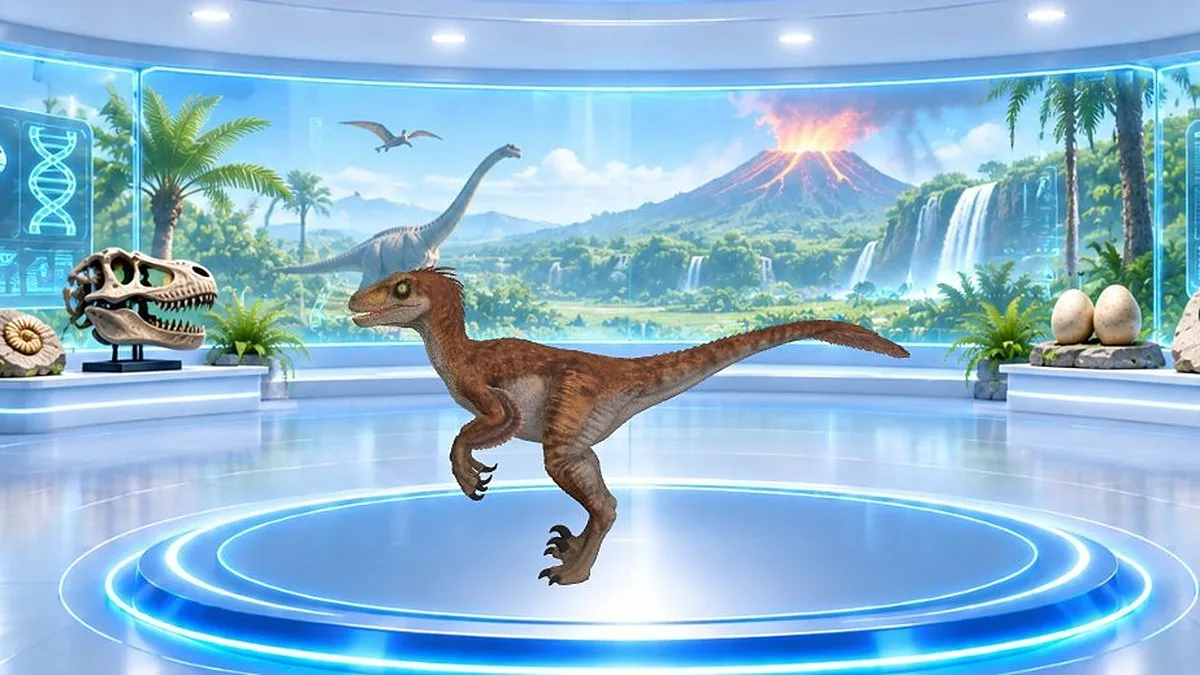
Velociraptor in 3D, from the VisionVix Dinosaur Anatomy simulator

Velociraptor

Meat-eating dinosaur

Hisses, chirps and coos

The real Velociraptor was about the size of a turkey and covered in feathers. Its closest living relatives are birds, so it may have hissed, chirped or cooed. Tap more than once to hear five different calls.

See it in 3DVelociraptor facts
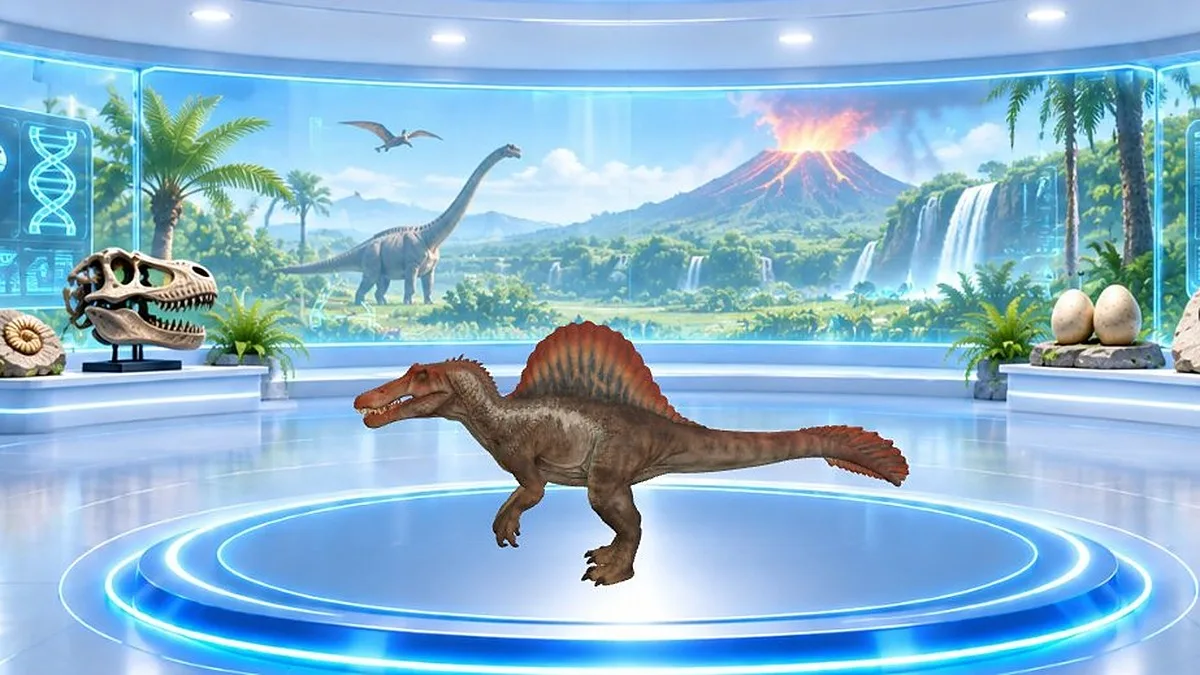
Spinosaurus in 3D, from the VisionVix Dinosaur Anatomy simulator

Spinosaurus

Meat-eating dinosaur

A river hunter’s growl

Spinosaurus spent much of its life around rivers catching fish. Nothing is known about its voice, so this sound imagines a low, wet growl close to the water.

See it in 3DSpinosaurus facts
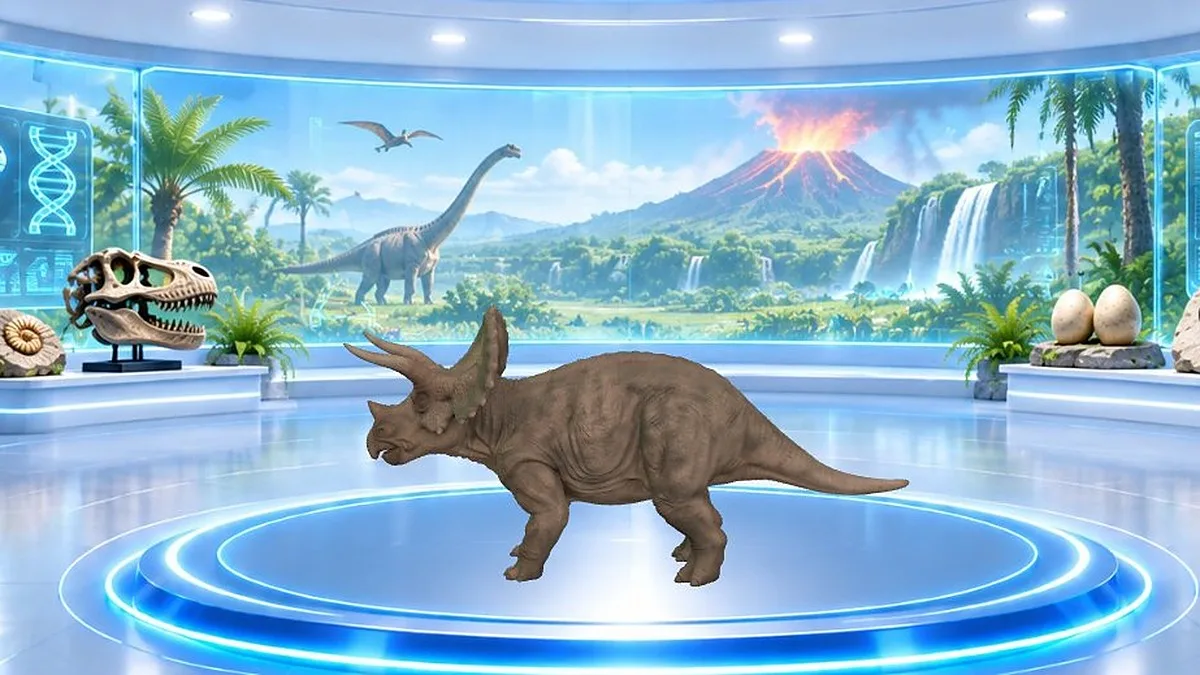
Triceratops in 3D, from the VisionVix Dinosaur Anatomy simulator

Triceratops

Plant-eating dinosaur

Grunts and bellows

Triceratops was a heavy plant-eater with a huge frill. Like big plant-eaters today, it may have grunted and bellowed to warn rivals or keep in touch.

See it in 3DTriceratops facts
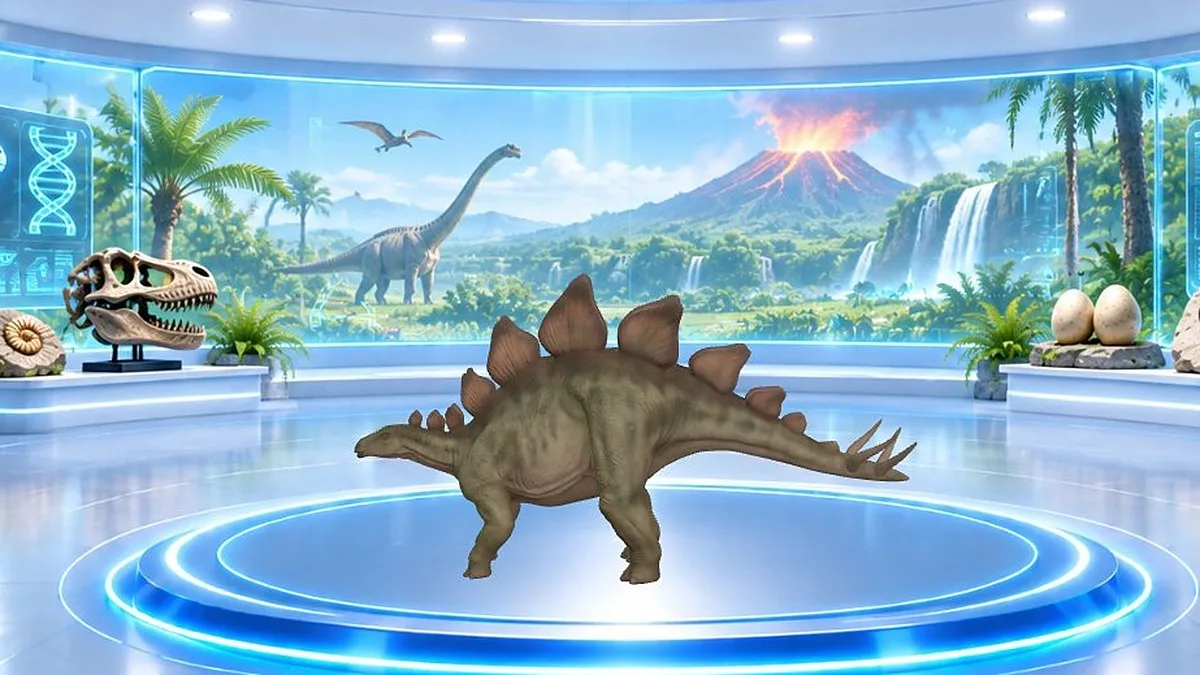
Stegosaurus in 3D, from the VisionVix Dinosaur Anatomy simulator

Stegosaurus

Plant-eating dinosaur

Slow, low grunts

Stegosaurus had a big body and a very small head. Scientists can only guess at its voice, so this sound imagines slow grunts and heavy breathing. Tap again for a second clip.

See it in 3DStegosaurus facts
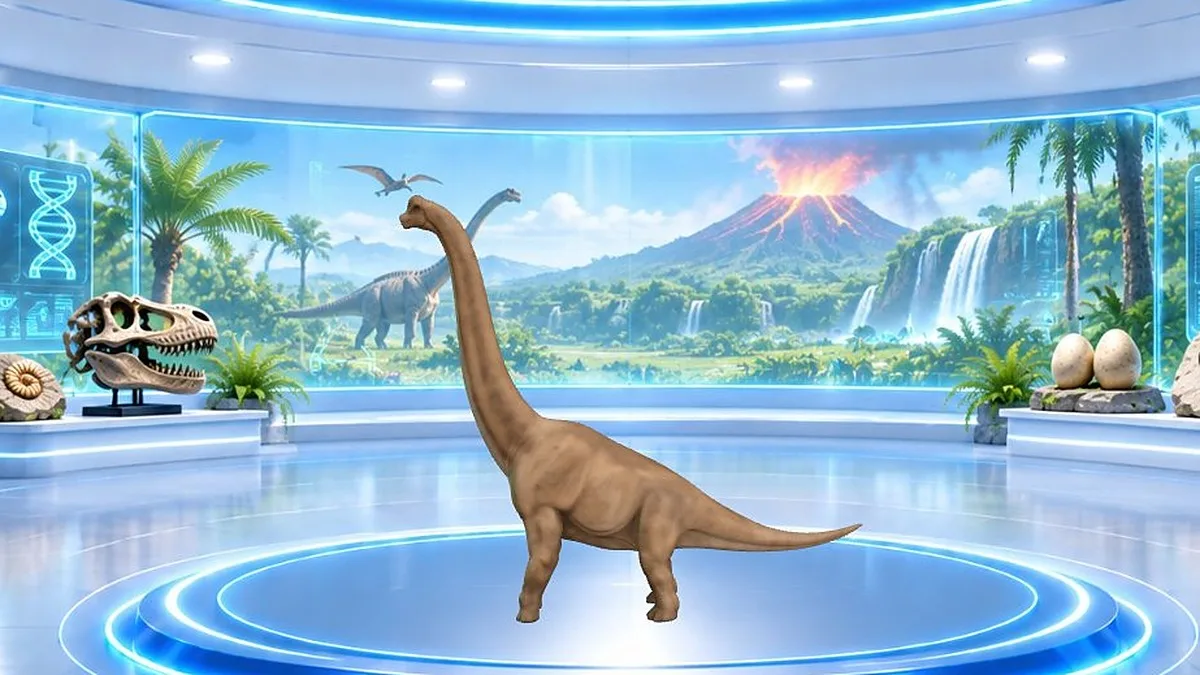
Brachiosaurus in 3D, from the VisionVix Dinosaur Anatomy simulator

Brachiosaurus

Plant-eating dinosaur

Rumbles from a giant

Brachiosaurus could reach leaves about 9 metres up, roughly twice as high as a giraffe. Very large animals often make very low sounds, so a giant like this may have rumbled. Tap again to hear three different calls.

See it in 3DBrachiosaurus facts
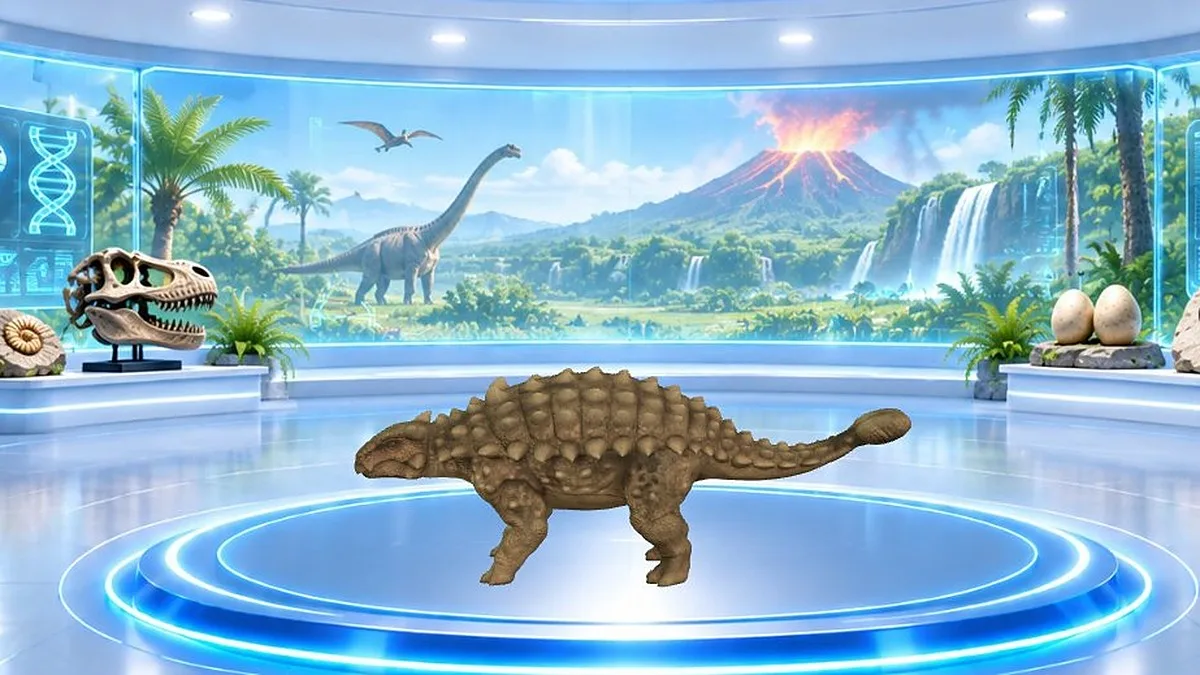
Ankylosaurus in 3D, from the VisionVix Dinosaur Anatomy simulator

Ankylosaurus

Plant-eating dinosaur

Snorts, and maybe bird-like calls

In 2023 scientists found a fossil voice box in Pinacosaurus, a close relative of Ankylosaurus. It looked more like a bird’s than a crocodile’s, a hint that armoured dinosaurs could shape bird-like calls.

See it in 3DAnkylosaurus facts
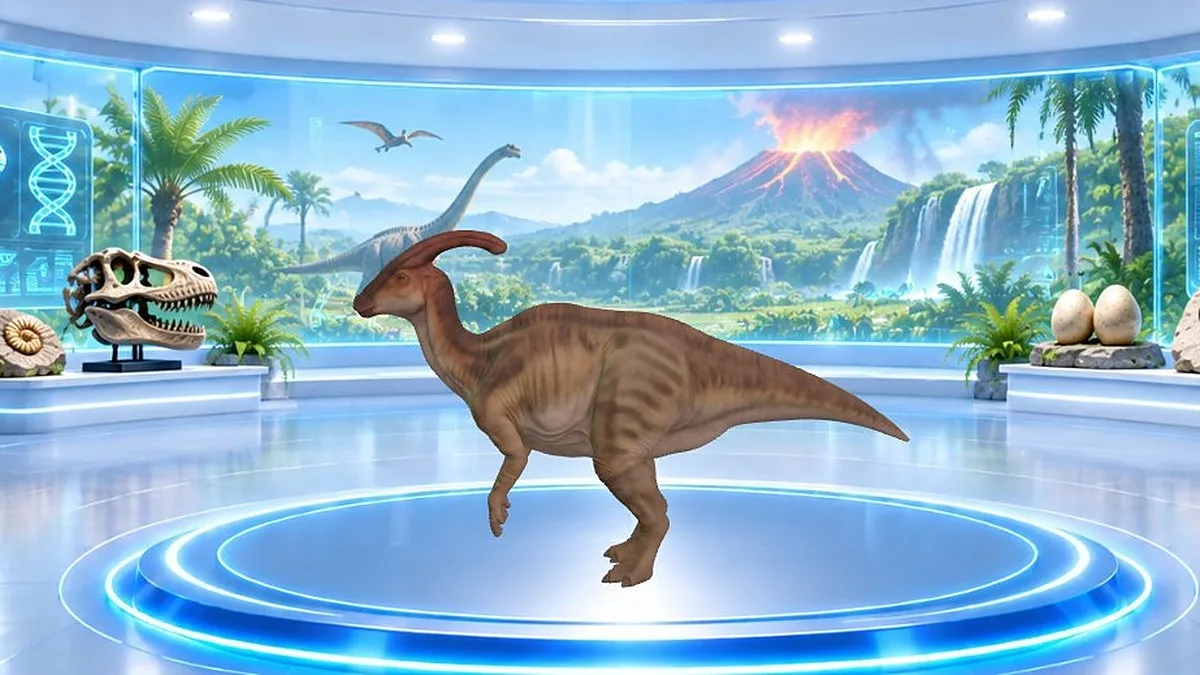
Parasaurolophus in 3D, from the VisionVix Dinosaur Anatomy simulator

Parasaurolophus

Plant-eating dinosaur

A trombone-like call through its crest

Parasaurolophus is the dinosaur we know most about for sound. In 1997 scientists scanned a fossil crest, rebuilt the air tubes inside it on a computer and blew virtual air through them. Out came a low, rumbling tone.

See it in 3DParasaurolophus facts
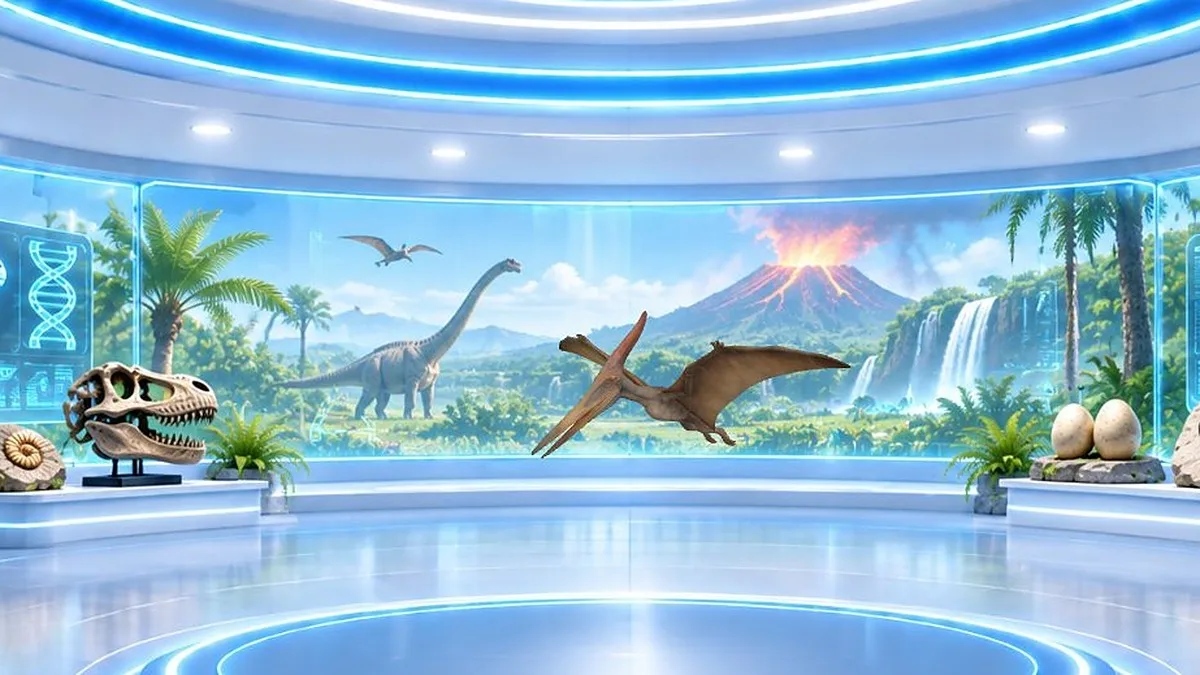
Pteranodon in 3D, from the VisionVix Dinosaur Anatomy simulator

Pteranodon

Flying reptile, not a dinosaur

Wing flaps and a croak

Pteranodon was a flying reptile, not a dinosaur. No one knows its voice, so this sound imagines leathery wing beats and a seabird-style croak.

See it in 3DPteranodon facts
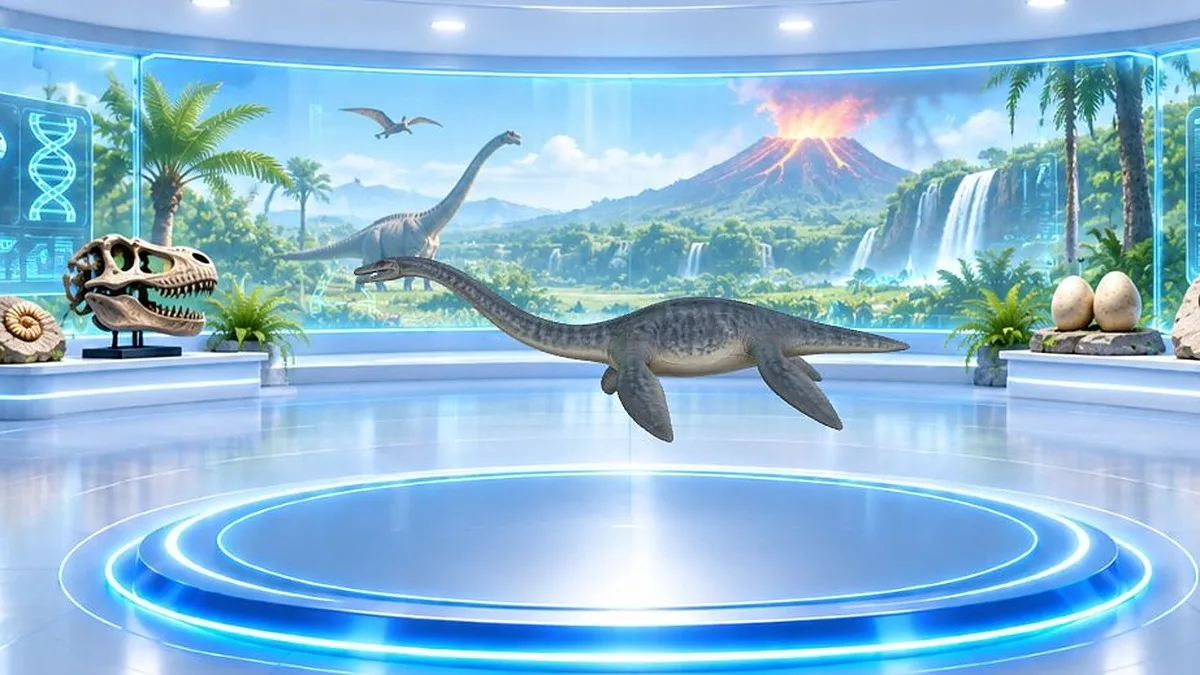
Plesiosaurus in 3D, from the VisionVix Dinosaur Anatomy simulator

Plesiosaurus

Sea reptile, not a dinosaur

Calls from the sea

Plesiosaurus was a sea reptile, not a dinosaur. Its voice is a complete mystery, so this sound is an imagined call from a long-necked swimmer. Tap again for a second clip.

See it in 3DPlesiosaurus facts

How scientists work out what dinosaurs sounded like

Sound leaves no fossils, so scientists piece it together from three kinds of clues.

Living relatives

Birds are living dinosaurs, and crocodiles are their closest other relatives. A 2016 study found that many large animals in this family call with their mouths shut, pushing air into a pouch in the throat to make low booms and coos. Big dinosaurs may have done the same.

Hollow crests

Some dinosaurs had air tubes inside their skulls. In 1997 a team at Sandia National Laboratories and the New Mexico Museum of Natural History scanned a Parasaurolophus crest, rebuilt it on a computer and played air through it. It gave a low, rumbling tone that could change pitch.

Fossil voice boxes

Voice boxes are rarely fossilised. In 2023 scientists described one from Pinacosaurus, a cousin of Ankylosaurus. It looked more like a bird’s than a crocodile’s, a hint that some dinosaurs could shape bird-like calls.

The sounds on this page were made for VisionVix to match these ideas. They are not recordings and should be taken as artist’s impressions.

Dinosaur sound questions

Are these real dinosaur sounds?

No. Nobody has ever heard a living dinosaur, and sound does not fossilise. These are made sounds, each based on what scientists have learned from fossils and from the dinosaurs’ living relatives, birds and crocodiles.

Did T. rex really roar?

Probably not like it does in films. A 2016 study of birds and crocodiles found that many large animals in this family call with their mouths closed, making low booming or cooing sounds. Big dinosaurs such as T. rex may have done the same.

Which dinosaur sound do we know the most about?

Parasaurolophus. Its long hollow crest held looping air tubes. In 1997 scientists scanned a fossil crest, rebuilt the tubes on a computer and blew virtual air through them, which produced a low, rumbling tone.

Could dinosaurs sing like birds?

Birds are living dinosaurs, so some dinosaurs probably made bird-like sounds. In 2023 scientists described a fossil voice box from Pinacosaurus, a relative of Ankylosaurus, that looked more like a bird’s than a crocodile’s. No dinosaur has yet been found with the syrinx that songbirds sing with.

Were Pteranodon and Plesiosaurus dinosaurs?

No. Pteranodon was a flying reptile and Plesiosaurus was a sea reptile. They lived at the same time as dinosaurs, which is why they are in the simulator, but their voices are a complete mystery.

Where can I see these dinosaurs in 3D?

Every dinosaur on this page is in the free VisionVix 3D Dinosaur Anatomy simulator, where you can spin it, look inside and see its fossil skeleton. The same sound buttons are there too.
Sources

This page and the 3D Dinosaur Anatomy simulator are made by Julian Neagu, a solo founder in London, as part of VisionVix Simulators. They are free to use in the browser on desktop and phone, with no sign-up.