Earth vs Moon: Size, Gravity and Why the Moon Has No Air
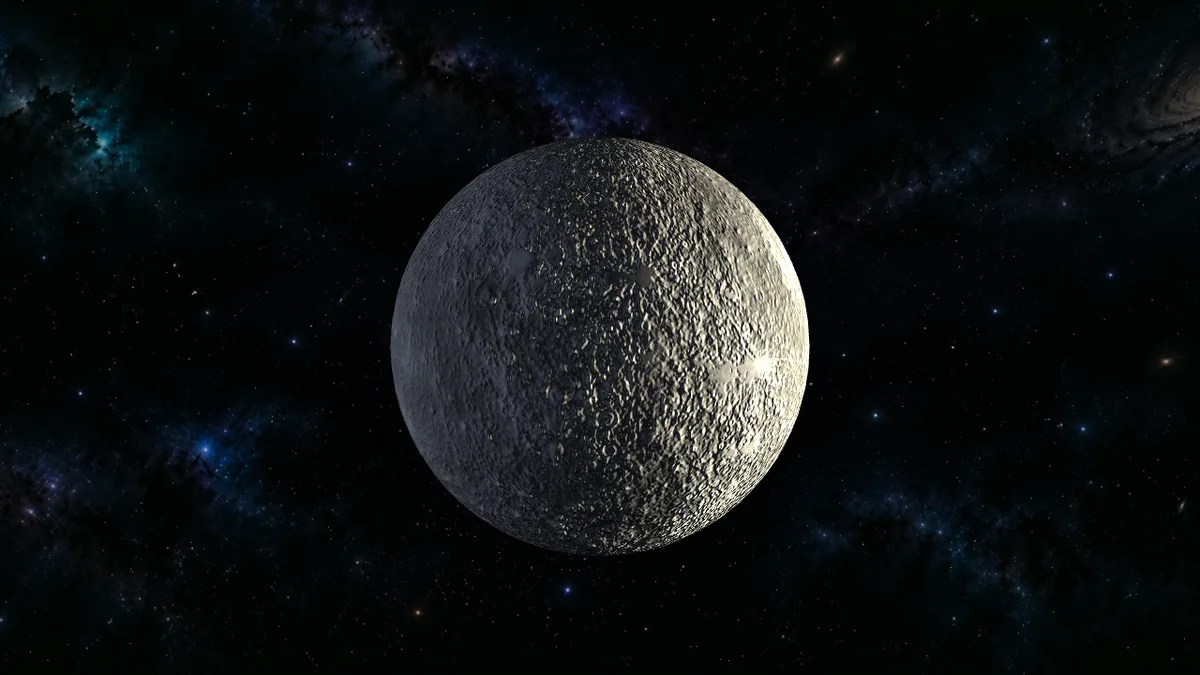
The Moon is about a quarter as wide as Earth and has about a sixth of its gravity. It is too small to hold on to an atmosphere, so it has no air, no weather and no sound, and its surface swings from boiling hot to freezing cold.
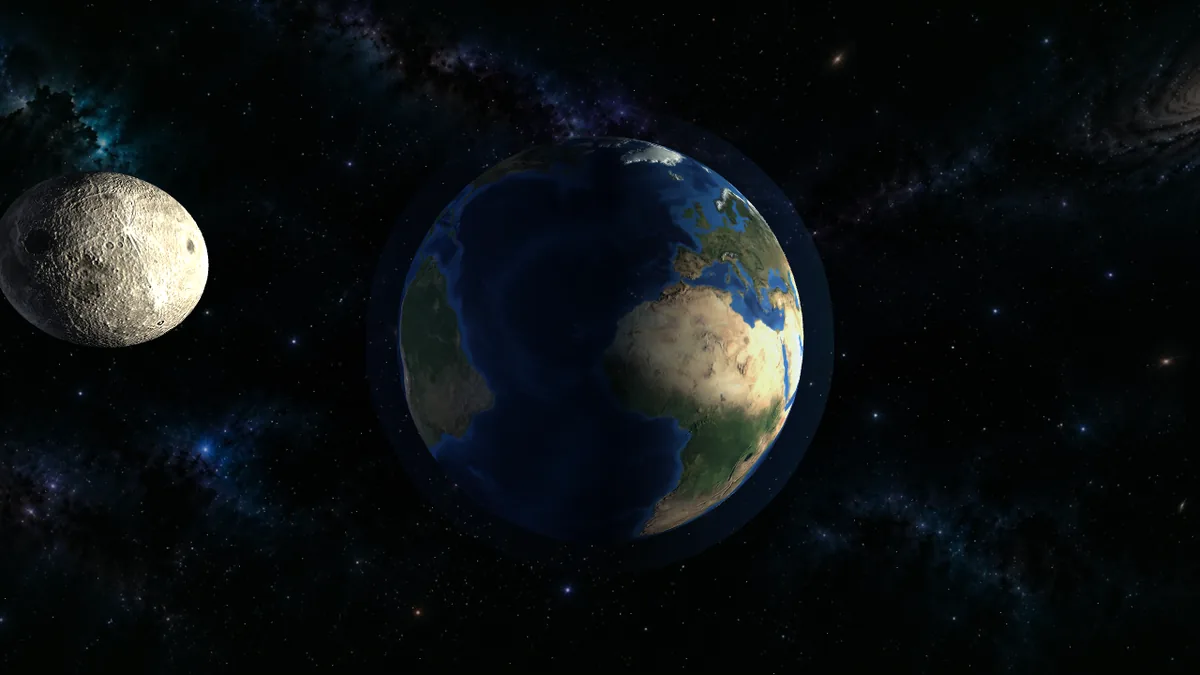
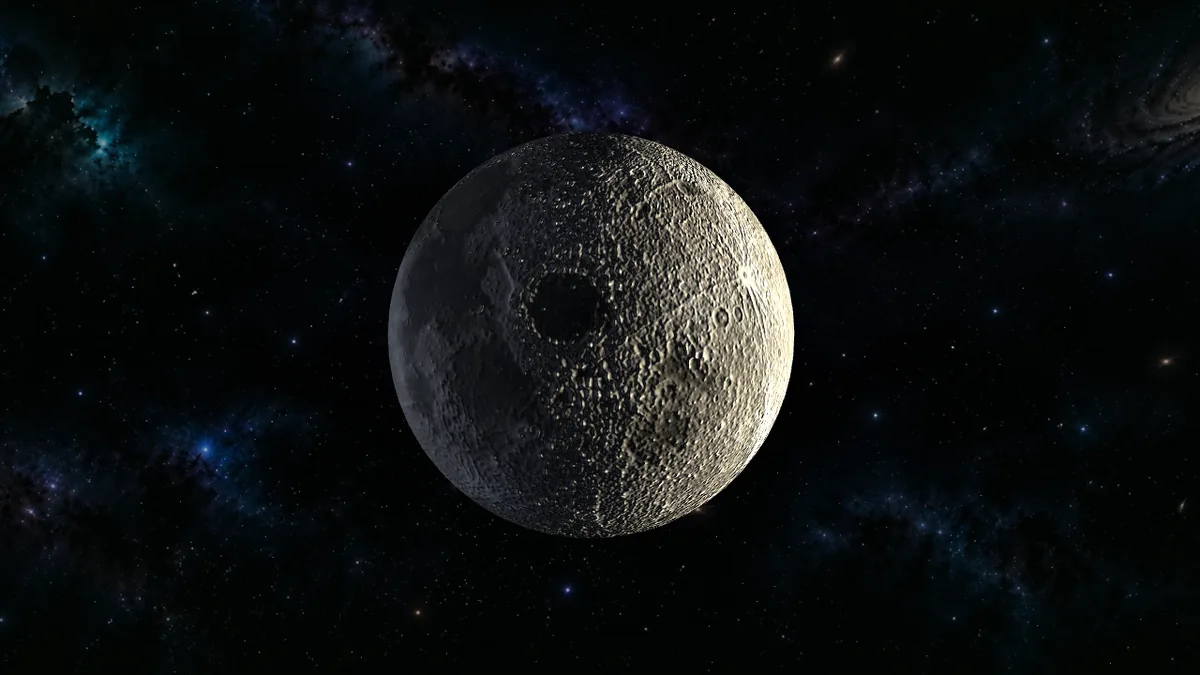
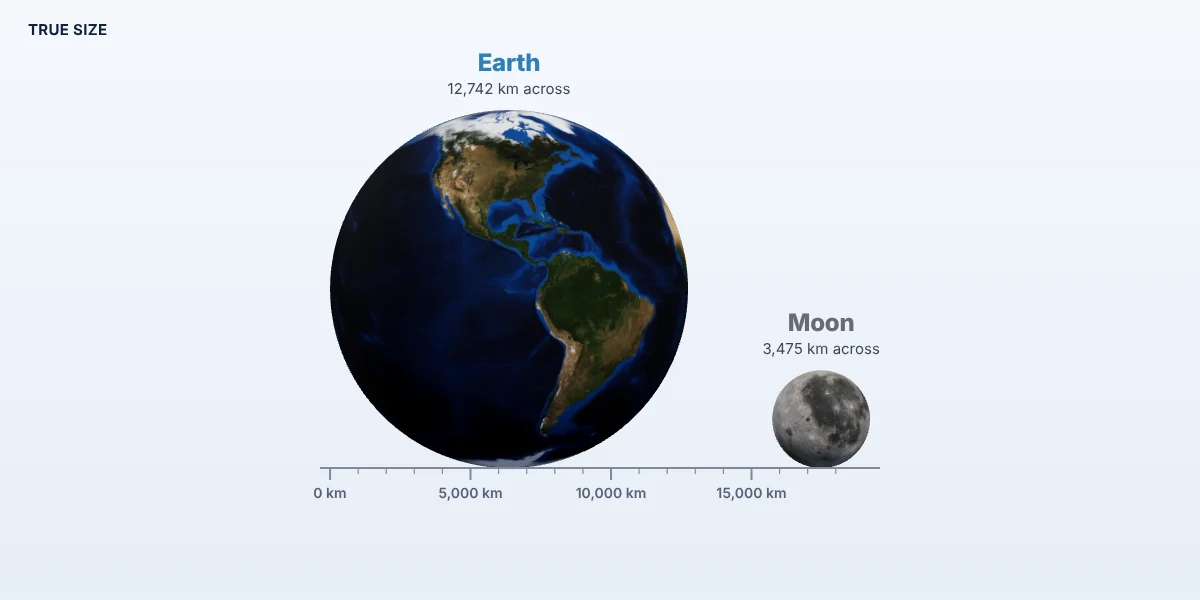
Earth vs Moon: true size
Earth vs Moon at a glance
| Earth | Moon | |
|---|---|---|
| Diameter | 12,742 km | 3,475 km, about 27% of Earth |
| Mass | 1 Earth | About 1.2% of Earth, 1/81 |
| Gravity | 9.8 m/s² | 1.6 m/s², about one sixth |
| Air | Thick atmosphere | Almost none |
| Day | 24 hours | About 29.5 Earth days from one sunrise to the next |
| Surface temperature | About −90 °C to 57 °C | About −130 °C to 120 °C at the equator |
| Distance | 150 million km from the Sun | About 384,400 km from Earth |
Why the Moon has no air
Gravity holds an atmosphere in place. The Moon’s gravity is so weak that gas molecules warmed by the Sun move fast enough to escape into space. Over billions of years, any air it had leaked away. With no air to trap heat, the sunny side bakes and the dark side freezes.
Where the Moon came from
Most scientists think the Moon formed about 4.5 billion years ago, when a planet about the size of Mars crashed into the young Earth. Debris from the impact gathered in orbit and clumped together to make the Moon.
Quick facts
- The Moon always shows the same face to Earth.
- The Moon is moving away from Earth by about 3.8 cm a year.
- Twelve astronauts walked on the Moon between 1969 and 1972.
- Footprints on the Moon could last for millions of years, as there is no wind to blow them away.
- The Moon’s gravity causes most of Earth’s tides.
See them in 3D
Earth vs Moon questions
How big is the Moon compared to Earth?
About 27% of Earth’s width. About 50 Moons would fit inside Earth.
How strong is gravity on the Moon?
About one sixth of Earth’s, so you could jump about six times higher.
Why does the Moon have no air?
Its gravity is too weak to hold on to gases, which escape into space.
How far away is the Moon?
About 384,400 km on average.
How did the Moon form?
Probably from debris thrown out when a Mars-sized body hit the young Earth about 4.5 billion years ago.
More face-offs: see all 3D comparisons.
The 3D Solar System is made by Julian Neagu, a solo founder in London, as part of VisionVix Simulators. It is free to use in the browser on desktop and phone, with no sign-up.