Nervous System vs Endocrine System: Fast Signals vs Hormones
Your body has two ways of sending messages. The nervous system sends fast electrical signals along nerves, like a phone call to one person. The endocrine system releases hormones into the blood, slower but longer lasting, like a broadcast that reaches every part of the body.
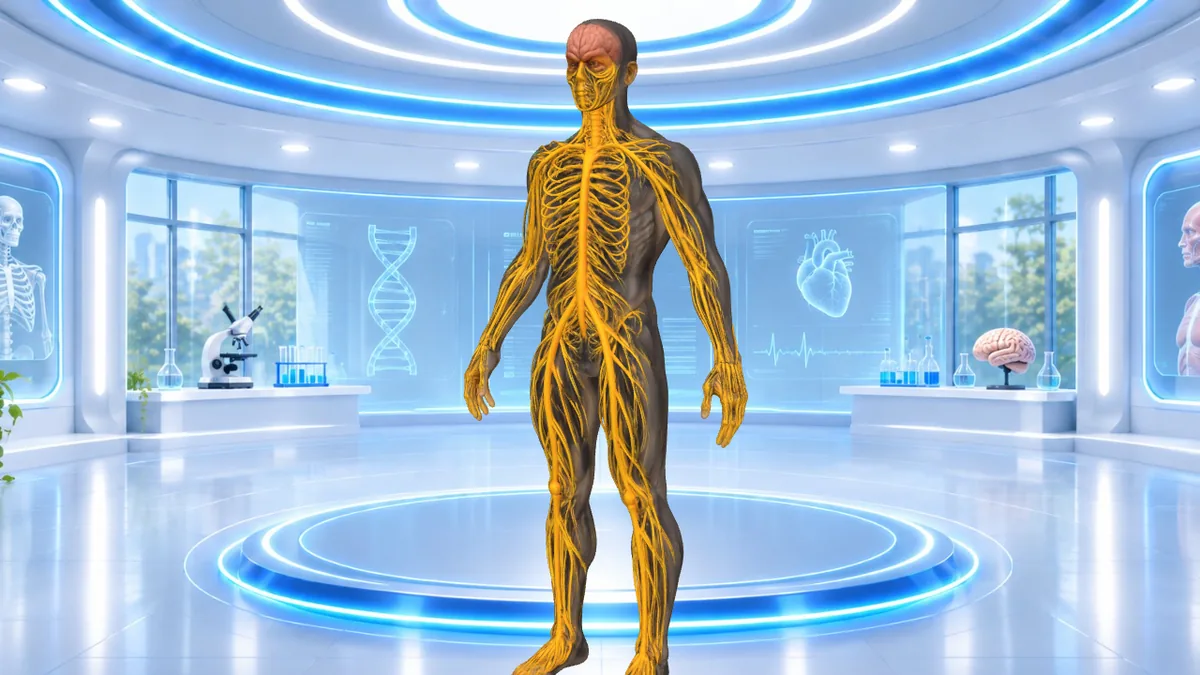

Nervous system vs endocrine system at a glance
| Nervous system | Endocrine system | |
|---|---|---|
| Messages | Electrical impulses along nerve cells | Chemical hormones in the blood |
| Speed | Very fast, up to about 120 m per second | Slower, from seconds to hours |
| How long the effect lasts | Short, usually stops quickly | Can last minutes, days or years |
| Where it goes | To exact muscles or glands | Anywhere the blood goes, acting on cells with the right receptors |
| Main parts | Brain, spinal cord and nerves | Glands: pituitary, thyroid, adrenals, pancreas, ovaries or testes |
| Examples | Pulling your hand off something hot, seeing, moving | Growth, blood sugar, sleep, puberty |
Two systems working together
The two systems are linked in the brain. A small area called the hypothalamus is part of the nervous system, but it controls the pituitary gland, the master gland of the endocrine system. When you get a fright, nerves trigger your adrenal glands to release adrenaline, and the hormone keeps your heart racing long after the first jolt.
Fast vs lasting
Nerve signals are perfect for things that must happen right now, like a reflex or catching a ball. Hormones are better for slow, body-wide changes, like growing, managing blood sugar or controlling the sleep cycle. Most body processes use a bit of both.
Quick facts
- The pituitary gland is about the size of a pea.
- Insulin from the pancreas is a hormone that lowers blood sugar.
- Your body has tens of billions of nerve cells, most of them in the brain.
- The thyroid gland in the neck sets how fast your body uses energy.
- Adrenaline works as a hormone in the blood and also as a chemical messenger in some nerves.
See them in 3D
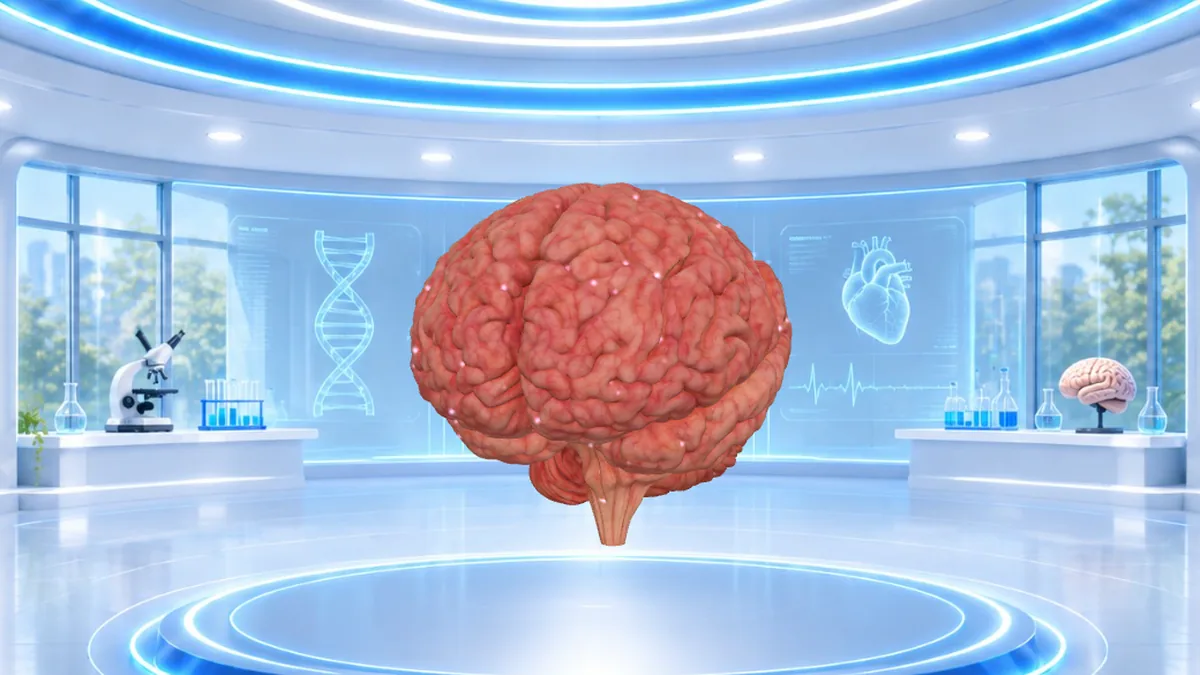

Nervous system vs endocrine system questions
What is the main difference between the nervous and endocrine systems?
The nervous system uses fast electrical signals along nerves. The endocrine system uses hormones carried in the blood, which act more slowly but for longer.
Which is faster, the nervous or endocrine system?
The nervous system. Nerve signals can travel at up to about 120 m per second, while hormones take seconds to hours to act.
How do the nervous and endocrine systems work together?
The hypothalamus in the brain links them by controlling the pituitary gland, and nerves can trigger glands to release hormones such as adrenaline.
What are the main endocrine glands?
The pituitary, thyroid, parathyroids, adrenal glands, pancreas, and the ovaries or testes.
Is the brain part of the endocrine system?
The brain is part of the nervous system, but it contains the hypothalamus and pituitary gland, which also act as endocrine glands.
More face-offs: see all 3D comparisons.
The 3D Human Anatomy simulator is made by Julian Neagu, a solo founder in London, as part of VisionVix Simulators. It is free to use in the browser on desktop and phone, with no sign-up.